_1731117993_WNo_1600d900.webp)
We’re thrilled to see your interest in pigtail screws! Our guide is here to be your perfect companion in discovering the magic of this little component. We’ll take you through everything—how pigtail screws work, their unique design, and how to use them effectively. From installation and maintenance to troubleshooting, we’ll be with you every step of the way, helping you master each aspect of pigtail screws. Finally, we’ll share some expert tips on choosing the right manufacturer, so you can find the perfect products to meet your needs.
What is a Pigtail Screw?
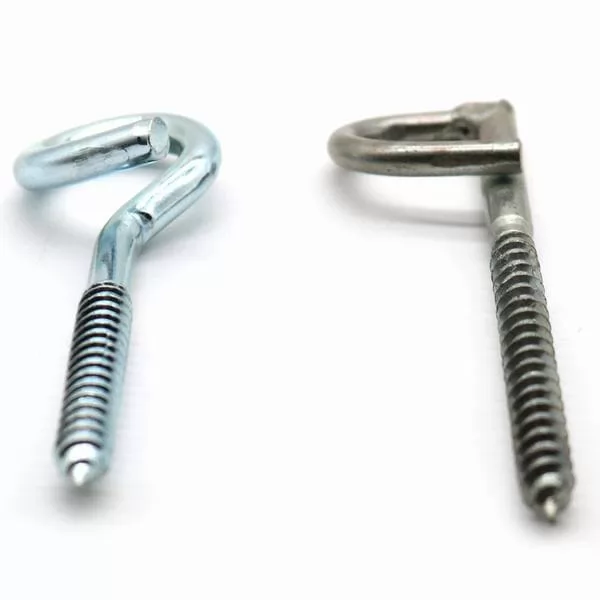
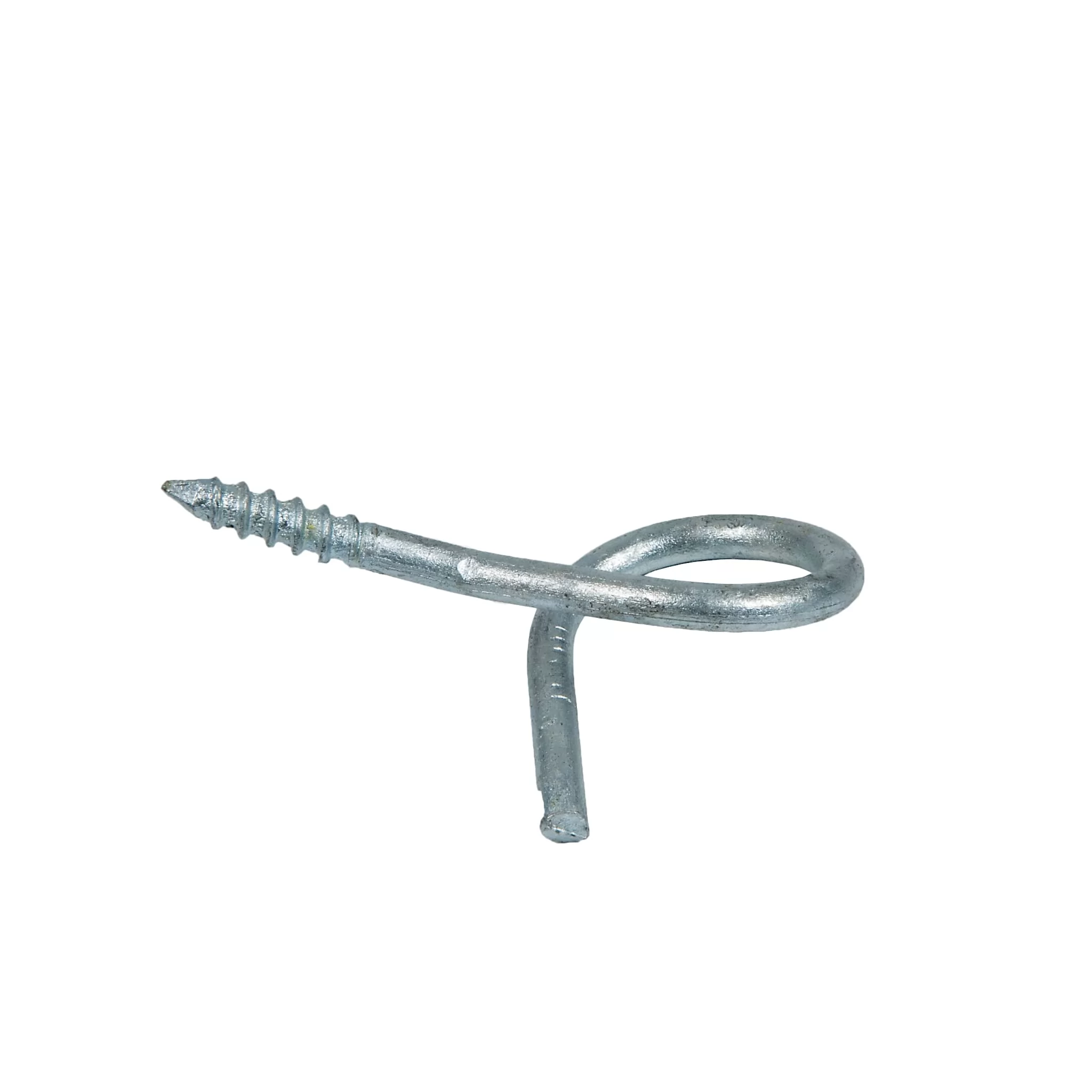
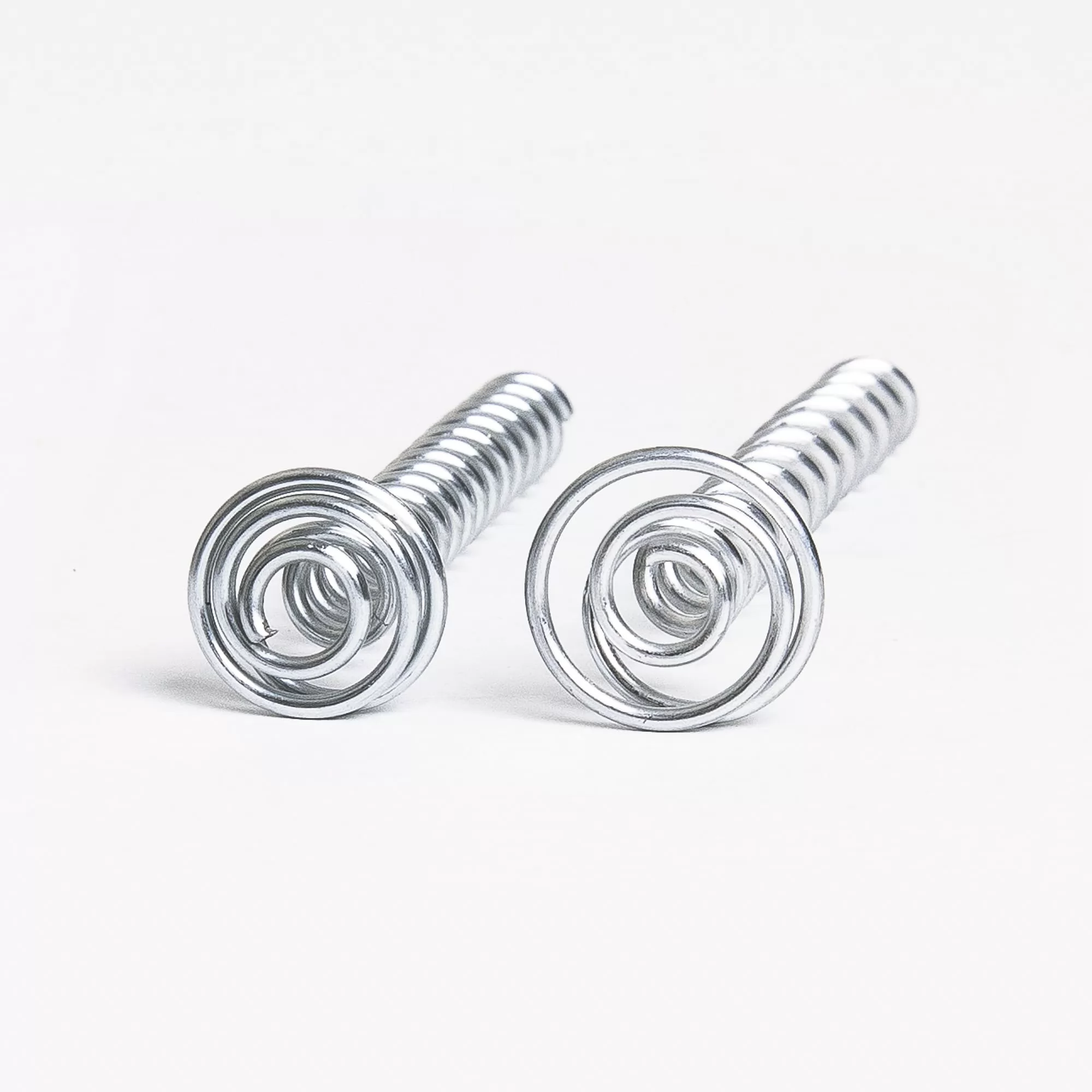
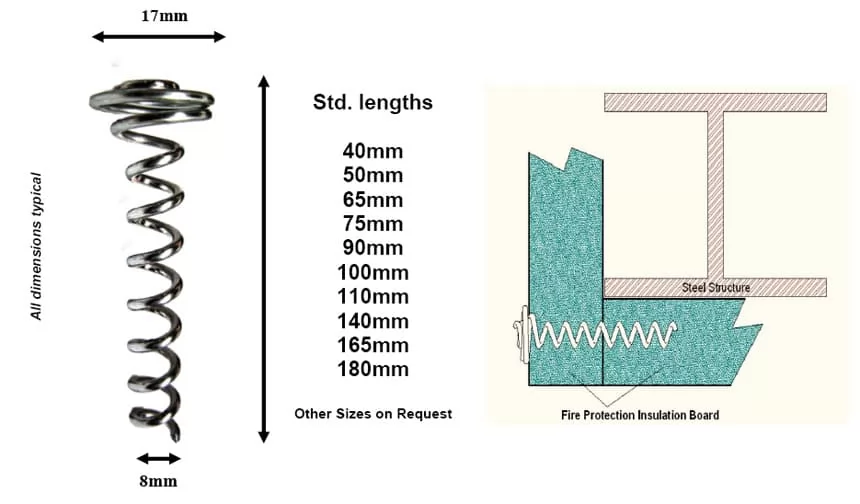
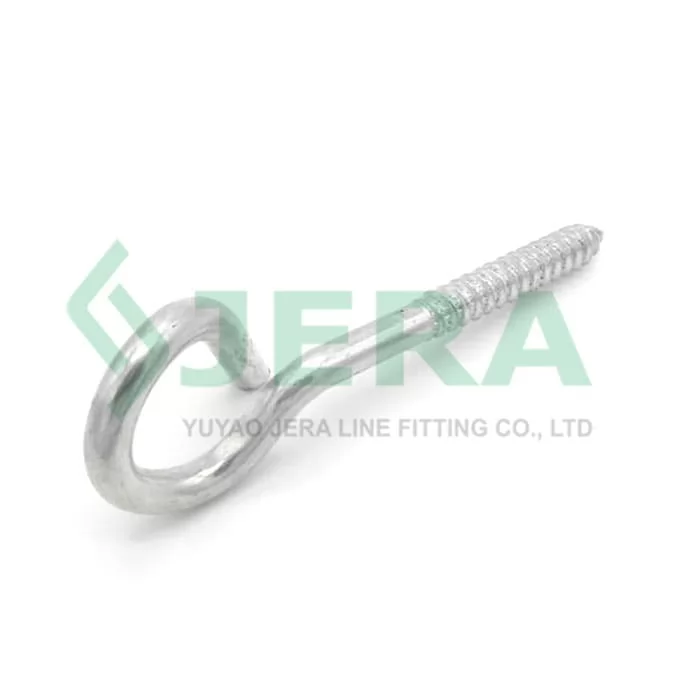
Pigtail Screw is a screw that usually has a unique spiral or curved design, similar to the shape of a pig's tail (hence the name "Pigtail"). This design allows it to better connect tightly to the target object during installation and enhance stability. Its threads can easily cut into the material and provide a strong grip. It is widely used to connect wires, fix parts or fix other structural parts.
Pigtail Screw can be a standard metal screw or made of stainless steel or other alloys as required, which has corrosion and oxidation resistance.
Types of Pigtail Screws
There are many types of Pigtail Screws, each type can be selected according to different uses and requirements. Here are some common types:
-
Standard Pigtail Screws: Usually used for general connection and fixing, suitable for most home or industrial purposes.
-
Stainless Steel Pigtail Screws: Suitable for humid or corrosive environments, such as seaside or chemical plants.
-
Copper Pigtail Screws: Used in electrical connections, especially when the electrical system requires good conductivity.
-
Plastic Coated Pigtail Screws: Suitable for electrical applications that require insulation to prevent short circuits or electric shock.
-
Galvanized Pigtail Hook Screws (PS-8): Hot-dip galvanized steel, engineered for aerial electrical lines and low-voltage cable tension on wooden poles, meeting NF C 33042 and EN 50-483 standards.
Each type of Pigtail Screw has its specific advantages, and the appropriate material and size should be selected according to the needs.
Pigtail Screw vs Pigtail Bolt vs Pigtail Hook: Key Differences
While these terms are sometimes used interchangeably, there are important distinctions that determine the right choice for your application:
|
Feature |
Pigtail Screw |
Pigtail Bolt |
Pigtail Hook |
|
Head Design |
Curved/spiral, resembles pig tail |
Eye-loop (bolt head with threaded hole) |
Hook-shaped head with eye for cable attachment |
|
Installation |
Screwed directly into wood/material |
Requires pre-drilled hole + nut for tension |
Screwed in, hooks cable slings directly |
|
Load Capacity |
Medium (2–5 kN typical) |
Higher (up to 16+ kN) |
Medium (2–8 kN) |
|
Primary Use |
Cable anchoring, wire connections |
High-tension dead-end anchors |
ABC cable hook, LV line tensioning |
|
Typical Application |
Aerial LV lines, scaffolding, construction |
HV/MV transmission line dead-ends |
Service drop attachment, ABC cable |
|
Standards |
NF C 33042, EN 50-483 |
IEC 61235, ASTM F1554 |
NF C 33042, EN 50-483 |
Summary: For most aerial low-voltage cable anchoring and wooden pole installations, pigtail screws (especially the hook variant like PS-8) offer the best balance of ease of installation, cost-effectiveness, and adequate load capacity. Pigtail bolts are reserved for heavy-duty, high-tension applications requiring greater safety factors.
Benefits of Using Pigtail Screws
There are many benefits to using Pigtail Screws, including:
-
Easy installation: Its spiral shape makes it easier to penetrate materials and fix tightly, especially suitable for scenes that require quick installation.
-
High stability: The design of Pigtail Screw enables it to remain stable and firm under high load and high pressure environments.
-
High durability: Especially the Pigtail Screw made of stainless steel or alloy can resist corrosion and wear and extend its service life.
-
High adaptability: Its design allows it to be used in a variety of materials (such as wood, metal, plastic), which is very flexible.
-
Cost-effective: Lower material and labor costs compared to bolted alternatives, reducing project expenses.
Applications of Pigtail Screws
Pigtail Screws are widely used in many fields. Here are some typical application scenarios:
-
Electrical installation: In cable joints and junction boxes, Pigtail Screw can be used to connect wires and electrical equipment to ensure the stability of power flow.
-
Construction industry: In construction, Pigtail Screw is often used to fix building components or connect metal accessories.
-
Mechanical equipment: In industrial equipment, Pigtail Screw can be used to fix machine parts to ensure the stable operation of the equipment.
-
Automotive industry: Pigtail Screw is also highly applicable in some electrical and mechanical connections to ensure that automotive parts are firmly connected.
-
Power distribution: Tension anchors for service drops and low-voltage pole-top terminals, critical infrastructure for utilities.
How to Install a Pigtail Screw
To install the Pigtail Screw, you can follow these steps:
1. Prepare the Tools
Make sure to use the appropriate screwdriver or power tool, and check that the size of the Pigtail Screw matches the target material.
2. Locate the Installation Position
Mark the installation position of the screw according to the part or material that needs to be fixed.
3. Screw in the Screw
Use a screwdriver or power tool to screw the Pigtail Screw into the material. Due to its spiral design, it will naturally cut in and fix tightly.
4. Check the Fixing Effect
Make sure the screw is fully screwed in and check whether the connection is firm and reliable. For safety-critical applications like aerial electrical work, load testing per relevant standards is recommended.
During the installation process, avoid excessive force to avoid damaging the material or excessive wear of the screw.
Why Choose Jera Line Be Your Partner
When purchasing a Pigtail Screw, you need to consider the following factors:
-
Material: Choose a material that suits your application requirements. For example, if it is used in a humid environment, you can choose stainless steel or alloy material; if electrical isolation is required, you can choose a Pigtail Screw with insulating plastic coating.
-
Size: Choose a screw of appropriate length and diameter according to the thickness and type of the required connection parts.
-
Load Requirements: Choose a screw of appropriate strength according to the load requirements of the application to ensure a secure connection.
-
Environmental Factors: If you need functions such as corrosion resistance and high temperature resistance, choose a Pigtail Screw that meets these requirements.
-
Standards Compliance: Ensure products meet relevant industry standards (NF C 33042, EN 50-483, NEMA, IEC 61235).
One of the top choices in the market for high-quality Pigtail Screw is Jera Line, a leading manufacturer known for its premium, precision-engineered screws.
Jera Line is a trusted name in the industry, offering high-quality products and services that are specifically designed to meet the unique needs of our clients.
Here are several reasons why Jera Line should be your preferred partner:
-
Commitment to Quality: Jera Line consistently delivers products that adhere to the highest quality standards. Our commitment to excellence ensures that all products undergo rigorous testing and quality control processes to meet industry specifications and your specific requirements.
-
Innovative Solutions: We specialize in providing innovative solutions that help streamline your operations. Whether it’s improving efficiency, reducing costs, or offering cutting-edge designs, Jera Line stays ahead of the curve with technological advancements and custom solutions tailored to your needs.
-
Customizable Options: We understand that every project is unique. Jera Line offers flexible customization options, allowing you to tailor products and services to fit your specific requirements. Whether it’s product design or packaging, we work with you to create the perfect solution.
Product Profile
Pigtail Hook Screw, PS-8
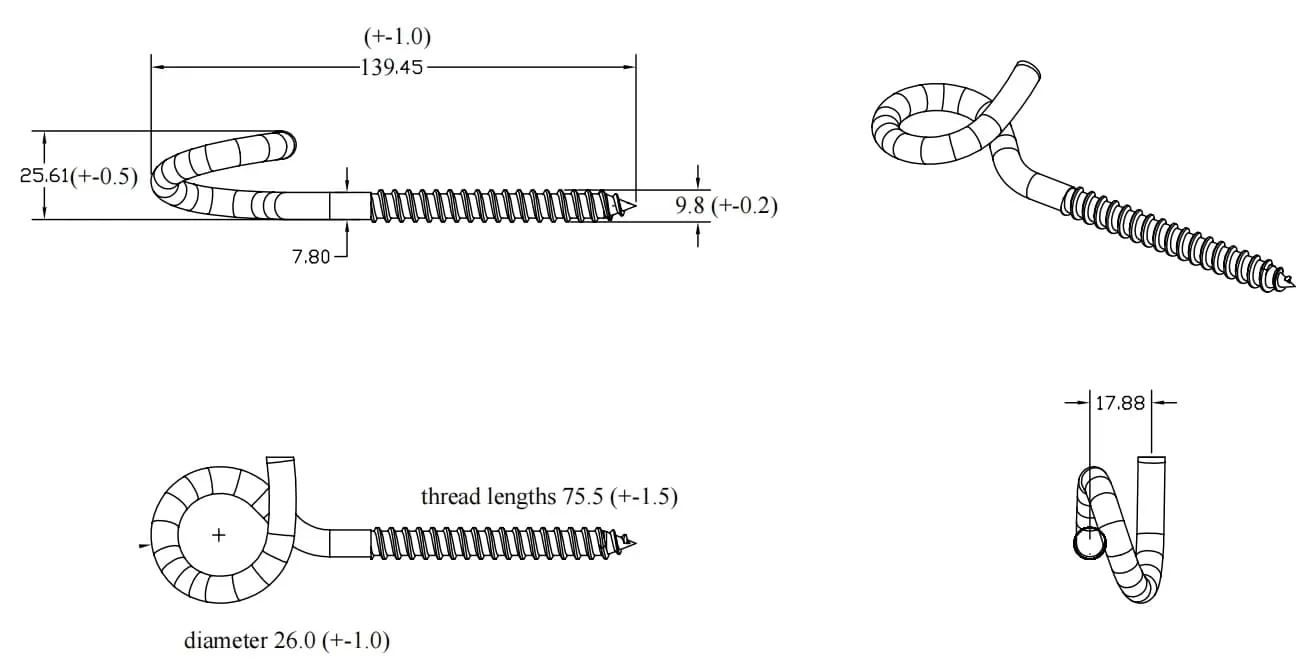
Pigtail screw PS-8, either called pig tail hook, is a pigtail shape screw installed on wooden poles or wooden surfaces as a hook to tension low voltage anchor bracket and ABC cable during electrical line installation.
MBL,KN: 2
Ideal for aerial low-voltage service drop attachment, ABC cable hook tensioning on wooden poles, scaffolding, construction and so on.
|
Code |
MBL, kN |
Length,mm |
Material |
Standards |
|
PS-8 |
2 |
140/75 |
Galvanized Steel |
NF C 33042, EN 50-483 |
Pigtail eye screw is made of high quality carbon steel, surface plating can be choose hot dip galvanized or cold galvanized upon requirements. Galvanized finish surface extend the service life during various weather conditions.
Pig tail eye bolt applied on main or end use electrical connections, up to 1KV on dead end or intermediate routes with tension or suspension clamps. To install the pigtail screw all you need is to secure it on the pole as a screw, and then attach an appropriate LV ABC clamp, helps to secure cable as tightly as possible to pole or wooden surface.
Pigtail Hook Screw, PS-8 have passed the voltage tests, tension test. All the brackets meets the criteria of NF C 33042 and EN 50-483.We have our own interior laboratory to do inspection during daily production, which ensure our product meet the requirement for aerial electrical line components standards.
Maintenance Tips for Pigtail Screws
To extend the life of your Pigtail Screw and maintain its good performance, you can follow these maintenance recommendations:
Regular Inspection
Check if the screws are loose or worn, and tighten or replace damaged screws in time. In outdoor installations, check every 6–12 months.
Prevent Corrosion
Use anti-corrosion protectants to avoid rust, especially in humid or chemical environments. Re-coat galvanized screws if the zinc layer shows signs of wear.
Keep Dry
Keep the screws and their connection areas dry to avoid moisture accumulation that causes corrosion.
Clean the Screws
Clean the Pigtail Screw regularly to remove dust and dirt to prevent damage to its threads.
Load Verification
For high-tension applications (aerial lines, guy-wire anchoring), periodically verify that applied loads remain within design specifications.
FAQ: Common Questions About Pigtail Screws
What is a pigtail screw used for?
Pigtail screws are primarily used for aerial electrical cable anchoring, especially in low-voltage distribution systems where they secure ABC cables, anchor brackets, and tension clamps to wooden utility poles. They’re also used in construction scaffolding, mechanical equipment assembly, and general fastening applications requiring quick installation and reliable hold-strength.
What is the difference between a pigtail screw and a pigtail bolt?
Screws are inserted directly into wood with load capacity of 2–5 kN, while bolts require pre-drilled holes with load capacity of 16+ kN. Screws suit light-to-medium duty LV cable work; bolts suit heavy-duty HV transmission line dead-ends. Screws are more economical; bolts offer higher safety margins for critical infrastructure.
How do I install a pigtail screw?
Installation steps: Mark the installation point on the wooden pole or material. Use a screwdriver or hand/power drill to insert the screw. Rotate clockwise until fully seated—the spiral threads will cut naturally into the material. For cable applications, attach your cable clamp or sling to the hook eye. Verify the connection is firm and load-rated per your application requirements.
What size pigtail screw do I need?
Size depends on material thickness (ensure penetration of at least 2/3), load requirements (choose MBL ≥ 1.5× your application load), material type (wood poles typically use 6–10 mm diameter screws), and applicable standards (NF C 33042, EN 50-483, NEMA C136). Consult our technical team for custom sizing recommendations.
Can pigtail screws be used in outdoor aerial applications?
Yes, absolutely. Galvanized steel pigtail screws (like PS-8) are specifically engineered for outdoor weather exposure with excellent corrosion resistance. They’re certified for aerial LV cable anchoring per NF C 33042 and EN 50-483 standards, making them the standard choice for utility poles worldwide.
What materials are pigtail screws made from?
Common materials include carbon steel (standard, requires coating for outdoor use), galvanized steel (hot-dip or cold, for outdoor aerial lines), stainless steel (superior corrosion resistance in coastal/chemical environments), copper/brass (for electrical applications requiring low resistance), and plastic-coated variants (for electrical isolation). Choose based on environmental exposure and electrical requirements.
Are pigtail screws standards-certified?
Yes. Quality pigtail screws meet international standards including NF C 33042 (French aerial electrical line equipment), EN 50-483 (European LV overhead distribution equipment), NEMA C136/ANSI C135 (North American utility pole hardware), and IEC 61235 (International overhead line hardware). Always request certification documentation when sourcing from suppliers.
How do I choose between pigtail screw manufacturers?
Key factors: quality assurance (in-house testing labs, third-party certifications), standards compliance (NF C 33042, EN 50-483), customization capability, reliable lead times, technical support for sizing and load calculations, and competitive bulk pricing. Contact Jera Line for a free consultation and custom quote.
Conclusion
As a unique and powerful connection tool, Pigtail screw has a wide range of applications and significant advantages. From electrical installation to mechanical connection, it can provide reliable and durable solutions. When selecting and using pigtail screw, make sure to purchase it reasonably according to application requirements, materials, sizes, etc., and perform regular maintenance to ensure its long-term and stable use effect.
If you have more questions or needs about pigtail screw, please contact us for more professional advice.
Click here to get a free consultation.



















.png)